The 5 Interview Questions That Secretly Test Emotional Intelligence
Jul 27, 2026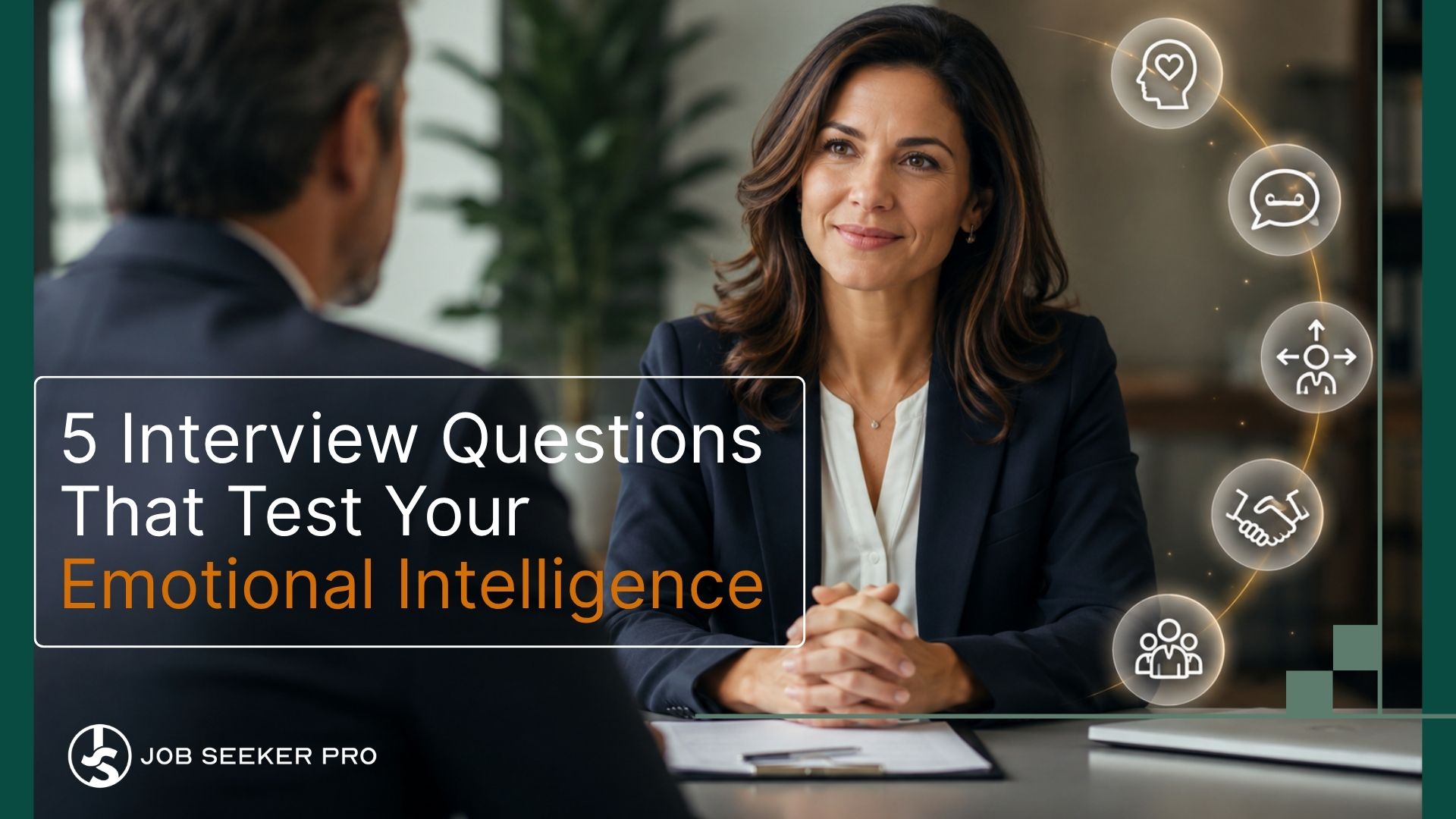
Most people walk into an interview focused on giving the "right" answers.
They prepare stories about accomplishments, memorize strengths and weaknesses, and research the company.
All of that matters.
But many hiring managers are listening for something else.
They are trying to understand how you think, how you handle people, and how you respond when things do not go as planned.
In other words, they are evaluating your emotional intelligence.
Technical skills may get you an interview. Emotional intelligence often determines whether you receive the offer.
Here are five common interview questions that reveal far more than most candidates realize.
1. "Tell me about a time you had a conflict with a coworker."
This question is not about proving you were right.
Hiring managers want to know:
- Can you stay professional during difficult situations?
- Do you take responsibility for your part?
- Can you communicate respectfully under pressure?
- Did you work toward a solution instead of creating more problems?
Strong candidates avoid blaming others.
Instead, they explain how they listened, communicated openly, and found common ground.
Employers know workplace conflict happens. They are looking for people who know how to navigate it.
2. "Tell me about a mistake you made."
This question often makes candidates uncomfortable.
The interviewer is not expecting perfection.
They are looking for honesty, accountability, and growth.
Emotionally intelligent professionals can say:
"I made a mistake."
"I learned from it."
"Here is what I changed."
That kind of answer demonstrates maturity and self-awareness.
Trying to hide mistakes or shift blame usually has the opposite effect.
3. "How do you handle stressful situations?"
Every job comes with pressure.
Deadlines shift.
Priorities change.
Unexpected problems appear.
Hiring managers want to know whether you become overwhelmed or remain focused.
A strong response explains how you organize your work, communicate with stakeholders, prioritize tasks, and stay calm when challenges arise.
Confidence is not pretending stress does not exist.
Confidence is demonstrating that you can manage it effectively.
4. "Describe a time you received difficult feedback."
Many candidates immediately think of defending themselves.
Emotionally intelligent professionals think differently.
They recognize that feedback is an opportunity to improve.
A strong answer shows that you listened carefully, reflected on the feedback, made meaningful improvements, and appreciated the chance to grow.
Companies value employees who continue learning throughout their careers.
5. "Why do you want to work here?"
This question goes beyond researching the company's website.
Hiring managers want to know whether your values, goals, and motivation align with the organization.
An emotionally intelligent answer connects your experience with the company's mission while demonstrating genuine enthusiasm for contributing to the team.
People who understand both themselves and others often build stronger workplace relationships from the very beginning.
Emotional Intelligence Is Your Competitive Advantage
Employers hire people they trust.
Trust is built through more than experience or certifications.
It comes from self-awareness.
Empathy.
Communication.
Adaptability.
Professionalism.
These qualities cannot always be measured on a résumé, but they become obvious during an interview.
The good news is that emotional intelligence can be strengthened.
Practice active listening.
Reflect on your experiences.
Ask for feedback.
Learn from setbacks instead of dwelling on them.
Every interview becomes an opportunity to grow, whether you receive an offer or not.
Final Thought
The next time you prepare for an interview, do more than rehearse your accomplishments.
Think about the person behind those accomplishments.
How do you solve problems?
How do you respond to challenges?
How do you treat the people around you?
Because those are often the answers hiring managers are really searching for.
Your experience may earn you a seat at the table.
Your emotional intelligence may be what earns you the job.
Brian Howard - Job Seeker Pro
The average online job receives >250 applications, what is your PLAN to stand out? This training is your plan:
