What “Workplace Flexibility” Really Means
Mar 16, 2026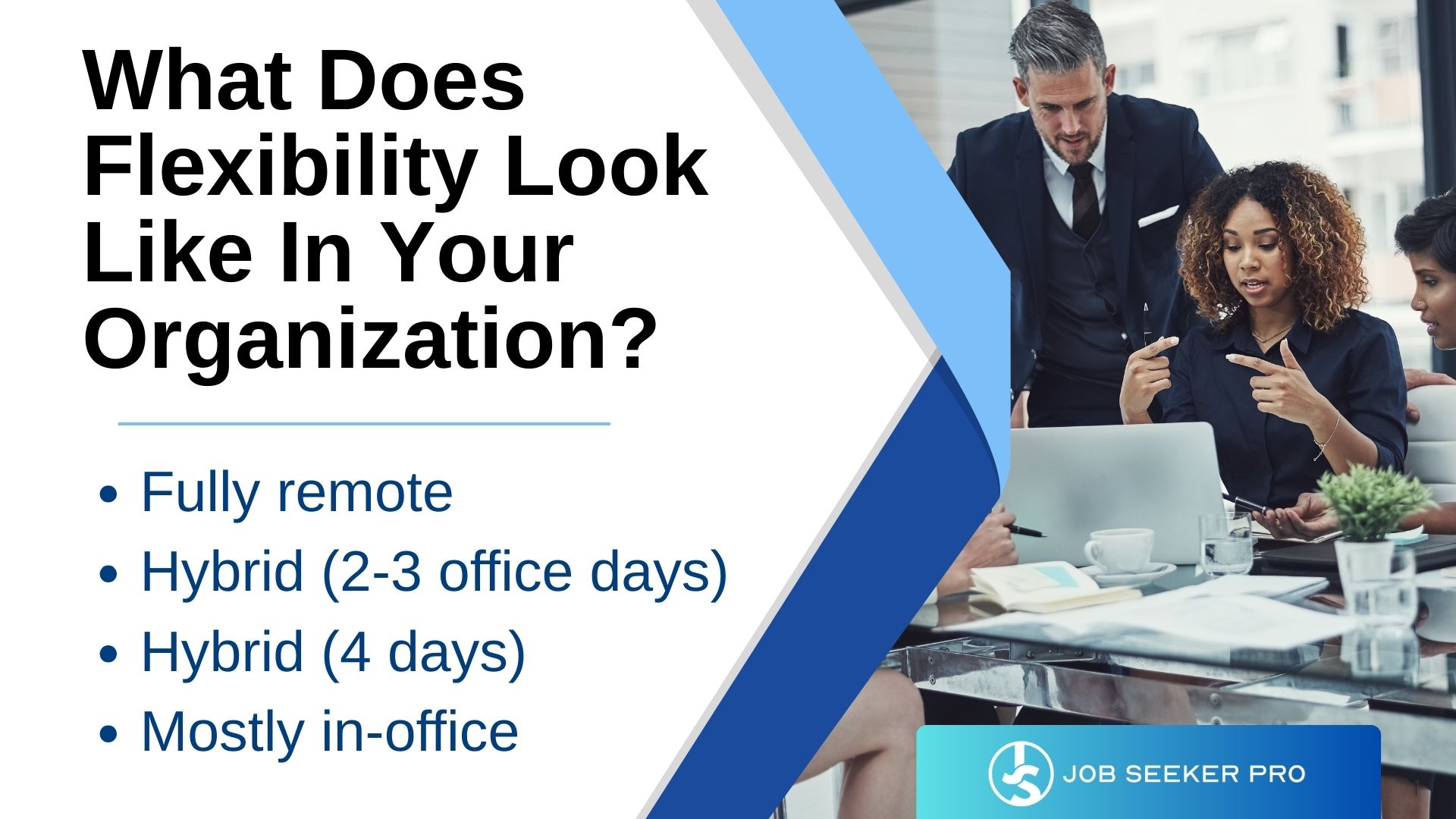
Over the past year, two big workplace topics have been everywhere in the news:
- Layoffs and company restructuring
- Return-to-office rules and hybrid work policies
At first, these might sound like two different issues. But they’re actually connected.
As companies tighten budgets and rethink teams, they’re also trying to answer a question many of us have been asking since 2020:
Where should work actually happen?
The answer is changing, - and it’s not as simple as “remote vs. office.”
✨ The Myth: Remote Work Is Disappearing
You may have seen headlines claiming remote work is going away.
Not quite.
Research from groups like Gallup and WFH Research (Stanford/MIT) shows that many U.S. employees who can work remotely still do, - about 2–3 days a week on average.
So remote work didn’t vanish.
It just stopped being a temporary emergency solution and became part of how modern work functions.
Also, let’s be honest: after experiencing meetings without commuting, many people are not eager to return to a daily traffic adventure.
✨ The Reality: Hybrid Work Is Becoming the Standard
What is changing is how companies define flexibility.
Studies tracking Fortune 500 workplace policies show that many large companies now expect employees to come into the office two to four days per week.
The most common setup looks like this:
The “3-2 hybrid schedule”
- 3 days in the office
- 2 days working from home
This approach gives companies face-to-face collaboration while still giving employees some flexibility.
Think of it as the workplace version of a compromise:
Leaders get collaboration. Employees get fewer commutes.
🔷 The Quiet Shift: “Hybrid Creep”
There’s also a trend quietly happening across many companies.
Some people call it “hybrid creep.”
Instead of suddenly telling everyone to come back five days a week, companies slowly increase office time.
It usually looks like this:
- 2 days in the office becomes 3
- 3 days becomes 4
- "Come in whenever you want” becomes “Team collaboration days”
This strategy helps companies bring people together more often without causing a mass panic in the employee Slack channel.
🔷 Why Companies Want More Office Time
When leaders explain return-to-office decisions, they usually mention the same reasons:
- Better collaboration
- Faster decision-making
- Mentoring younger employees
- Building company culture
- Easier onboarding and training
Technology makes remote work possible, but many leaders still believe some in-person time helps teams work better together.
Plus, brainstorming sessions are sometimes easier when people are in the same room—especially when the whiteboard markers are still working.
🔷 What Employees Want
At the same time, employee expectations have changed.
Most professionals now prefer hybrid work over being fully remote or fully in the office.
Flexibility used to be a nice perk.
Now it’s often a major factor in choosing or staying in a job.
Many professionals are no longer asking:
“Can I work remotely?”
They’re asking:
“What does flexibility actually look like here?”
🔷 What “Flexibility” Really Means Now
Here’s where things can get confusing.
Some people hear “flexibility” and imagine working from anywhere—maybe a beach, maybe a coffee shop, maybe their couch.
But for many companies today, flexibility actually means:
- Hybrid schedules instead of fully remote roles
- Planned collaboration days in the office
- Focusing on results instead of hours at a desk
- Some control over where work happens
In other words, flexibility today is less like total freedom and more like structured choice.
✨ Final Thought
Work isn’t going back to 2019.
But it’s also not staying in the fully remote experiment of 2020.
Instead, we’re moving into what could be called the Structured Flexibility Era—where hybrid work becomes the normal way companies operate.
For professionals navigating layoffs, job changes, or career growth, understanding this shift matters.
Because the future of work isn’t just about where we work.
It’s about how companies balance flexibility, teamwork, and productivity in a new world of work.
❓ Question for leaders and professionals:
What does “flexibility” look like in your organization today?
- Fully remote
- Hybrid (2–3 office days)
- Hybrid (4 days)
- Mostly in-office
📚 Sources & Research Referenced 📚
This article references research and reporting from:
- Gallup Workplace Research
- Flex Index Workplace Flexibility Reports
- WFH Research (Stanford / MIT)
- Owl Labs State of Hybrid Work Report
- Savills U.S. Workplace Research
- U.S. Bureau of Labor Statistics (BLS)
- Business Insider and Work Design Magazine reporting on hybrid workplace trends
The average online job receives >250 applications, what is your PLAN to stand out? This training is your plan:
